
 90 Day’s To Better Zzz’s Guarantee T&C apply

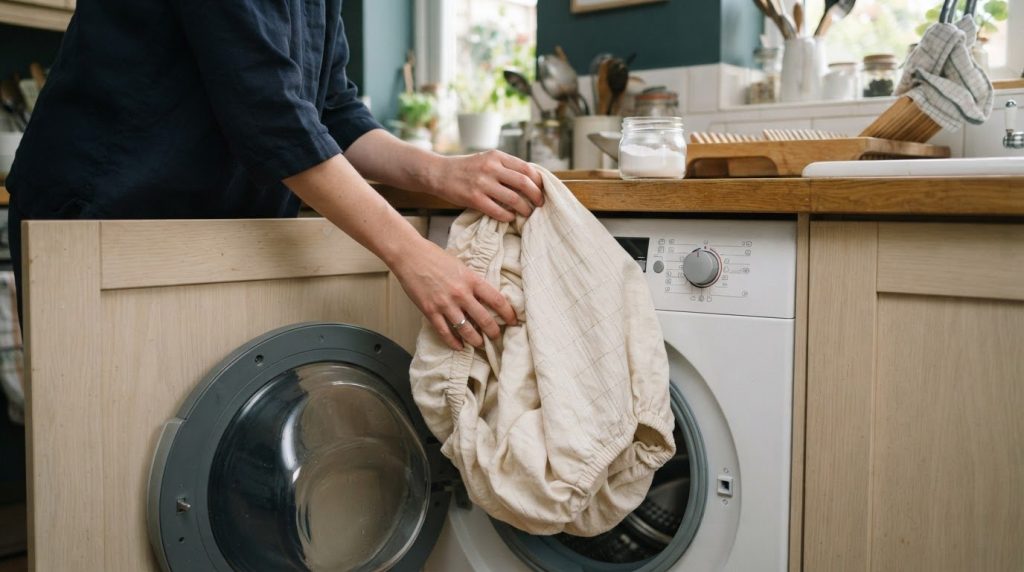
The gentlest wash can do more for an earthing sheet than an aggressive scrub. If you’re wondering how to deep clean earthing sheets, silver-fibre sheets can be machine-washed at 40°C and should be washed at least twice per month. Earthing mats are different: don’t put them in a washing machine or tumble dryer.
It’s understandable to be cautious about washing conductive fibres. Deep cleaning should remove sweat, skin oils and detergent residue without damaging the silver threads. Use non-bio eco detergent, avoid harsh products and follow the recommended washing and drying instructions.
This guide explains how to deep clean earthing sheets safely, including which detergent to use, how often to wash them and how to dry them. It also covers the care differences between sheets and mats, so you can choose the right method for each product.
Key Takeaways
- Wash silver-fibre earthing sheets at least twice per month, using a gentle approach that cleans without stressing the fibres.
- Choose a suitable detergent and avoid products that can leave residue on the conductive threads.
- Air-dry where practical, and take care not to expose the sheet to excessive heat.
- Clean carbon-infused earthing mats differently from sheets; they should not go in the washing machine or tumble dryer.
- Reduce contact with sweat, oils and lotions to help care for the silver fibres and conductivity.
Recommended washing frequency
Yes. Cleaning instructions can differ by brand and model, because materials and construction vary. Use the product’s care label for its specific washing method, temperature and cycle.
- Set a regular schedule for silver-fibre sheets. Wash them at least twice per month. A practical routine is once every one to two weeks, especially with regular use. Washing removes sweat and skin oils that can collect during sleep. Don’t wait for visible marks before cleaning, as fabric can hold residue without looking dirty.
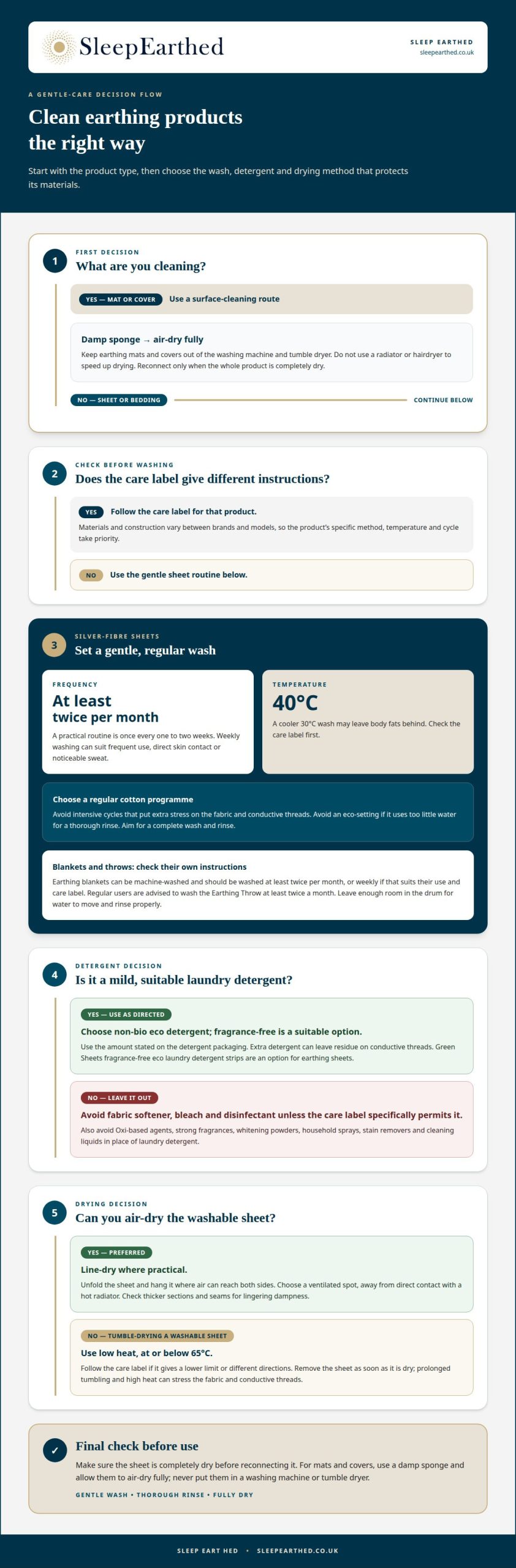
- Choose a suitable machine temperature. Set the washing machine to 40°C for a grounding sheet. This temperature is the recommended wash temperature for these sheets. A cooler 30°C wash may leave body fats behind, so it may not clean the fabric thoroughly. Check the sheet’s care label as well, since its instructions take priority for that particular model.
- Select a regular cotton cycle. Use a standard cotton programme rather than an intensive cycle. A very forceful programme can put extra stress on the fabric and conductive threads. Avoid an eco-setting if it uses too little water for a thorough rinse. The goal is a complete wash and rinse, not the shortest cycle or the strongest agitation.
- Wash earthing blankets consistently. Wash a blanket at least twice per month, or weekly if that suits its use and care label. Earthing blankets can be machine-washed. Check the label before loading it, then avoid overfilling the drum so water can move through the material. Use the temperature and cycle stated for that blanket.
- Keep the Earthing Throw on a twice-monthly routine. Regular users are advised to wash it at least twice a month. Treat its own care instructions as the guide to machine settings, because the name “throw” alone doesn’t establish its fabric or construction. If it shares a wash with other bedding, leave enough room for the items to rinse properly.
- Adjust the routine to real use. More frequent use, direct skin contact and noticeable sweat can make a shorter interval sensible. For example, washing a frequently used sheet weekly fits the one-to-two-week guidance. A sheet used less often still benefits from a regular schedule. Keep the same fabric-care rules each time, rather than changing to a harsher cycle when dirt appears.
Air-drying and tumble-drying guidance
Earthing mats need a different cleaning method from sheets. Keep them out of the washing machine and tumble dryer, as movement and heat can damage them. Clean a mat with a damp sponge and let it air-dry fully.
-
Consider washing and tumble-drying risks
Check the product’s care label before choosing a drying method. For a washable sheet, high dryer heat and prolonged tumbling can put unnecessary stress on its fabric and conductive threads. Keep mats and covers out of both machines; their cleaning and drying need a gentler approach. Don’t reconnect a product until it is completely dry.
-
Choose line-drying or tumble-dryer settings
Line-dry a grounding sheet where practical, as this avoids dryer heat and repeated tumbling. If using a tumble dryer, select low heat and keep the temperature at or below 65°C. Remove the sheet as soon as it’s dry, rather than leaving it turning. Follow the care label if it gives a lower limit or different directions.
- Give the sheet space to dry evenly. After washing, unfold it and hang it so air can reach both sides. A crowded clothes horse or a thick fold can trap dampness between layers. Indoors, choose a ventilated spot and keep the fabric away from direct contact with a hot radiator. The surface should feel dry throughout before the sheet is used again.
- Air-dry mats and covers after cleaning. Use a damp sponge for an earthing mat, then leave it to dry naturally. Don’t put it on a radiator or use a hairdryer to speed things up. Carbon-infused earthing mats and covers should remain out of the washing machine and tumble dryer. Wait until the whole surface is dry before reconnecting the product.
- Check for dampness before reconnecting. Feel along seams, edges and any thicker sections, where moisture can linger after the main surface seems dry. If a sheet is still damp, give it more time on the line or drying rack. Don’t use a heater to rush the final stage. A fully dry product is the practical point at which to restore its electrical connection.
- Keep the drying area clear. Hang a sheet where it won’t brush against wet laundry or a damp wall. If drying outdoors, bring it in when the fabric becomes damp again. For a tumble-dried sheet, remove it promptly once dry, then lay it flat briefly to check for any cool, moist patches before use.
Detergent and fabric conditioner guidance
No. Keep fabric softener and bleach away from silver-fibre earthing sheets. Avoid disinfectant too, unless the sheet’s care label specifically permits it; choose a mild laundry detergent instead.
-
Select a detergent
Choose a simple detergent intended for washing clothes, and follow the sheet’s care label. A fragrance-free option helps avoid unnecessary additives. Use the amount stated on the detergent packaging, rather than adding extra for a deeper clean. Too much product can leave residue that needs rinsing away. Sleep Earthed’s Green Sheets detergent strips are an option made for washing earthing sheets.
-
Avoid unsuitable detergents and cleaning products
Check the detergent label before washing your sheet. Choose non-bio eco detergent, and avoid products containing bleach, Oxi-based agents, strong fragrances or whitening powders. Don’t use household sprays, stain removers or cleaning liquids instead of laundry detergent. Green Sheets Fragrance-Free Eco Laundry Detergent Strips are designed for earthing sheets.
-
Avoid fabric softener, bleach and disinfectant
Leave liquid fabric softener and dryer-sheet softeners out of the wash. Fabric softener can build up on silver threads and impair their conductive properties. Bleach can tarnish the silver fibres, so don’t use chlorine bleach or products containing bleach. Avoid adding disinfectant unless the sheet’s own care instructions allow it. Extra cleaning chemicals aren’t a substitute for a proper wash and rinse.
- Keep the wash load simple. Wash the earthing sheet with compatible bedding, using detergent alone. Don’t add softener through the machine’s dispenser, even if it’s part of your usual laundry routine. If you usually use a scented or oil-based detergent, choose a different product for this load. This reduces the chance of residue transferring from the detergent or other laundry onto the conductive fabric.
- Rinse away detergent residue. Use the regular cotton cycle recommended for the sheet, rather than an eco-setting that uses too little water for a thorough rinse. If the fabric feels soapy after washing, run an additional rinse without adding more detergent. Don’t compensate by using a stronger cleaner. A thorough rinse helps remove remaining product from the sheet’s surface and silver fibres.
For earthing mats, avoid liquid fabric softener and detergent containing bleach or fabric softener. Earthing blankets should also be kept from bleach, softeners, dryer-sheet softeners, whitening and oxi-detergents, and detergents with lavender or coconut oil.
How sweat, oils and lotions affect conductivity
- Keep skincare products off the silver fibres. Body oils and lotions can leave residue on the conductive threads. If you apply lotion before bed, allow it to absorb before using the sheet. Wash the fabric regularly with non-bio eco detergent, and avoid bleach, fabric conditioner and other harsh laundry products.
- Notice changes in the fabric. Dark discolouration may indicate oxidation from skin acids or sulphur-containing cosmetics. It doesn’t prove the sheet has stopped conducting, but it’s a useful reason to review your skincare routine and wash the fabric appropriately. For example, if a dark patch appears where your skin usually rests, consider whether lotions or cosmetics contact that area.
- Allow some bare skin contact. Earthing sheets need direct contact with some bare skin for their intended connection. Avoid placing a thick layer of clothing or bedding between your skin and the conductive surface. Carbon-infused earthing mats work differently: they rely on sweat to connect to the earth. Keep that distinction in mind when considering how skin moisture affects different products.
- Care for silver threads gently. Choose washing and drying methods that protect the conductive fibres, rather than scrubbing a mark or applying a harsh spot cleaner. Residue from body products can build up where skin regularly touches the sheet. A consistent care routine helps remove sweat and oils without unnecessary abrasion. After washing, let the product dry fully before reconnecting it.
- Iron only when the care instructions allow it. Earthing blankets should be ironed using low heat. Don’t assume that the same setting suits every sheet or product; check its care label first. Keep the iron moving, and avoid pressing hard on areas with visible conductive threads. Excessive heat or pressure can stress the fabric, so use the lowest permitted setting.
- Use a test meter to check conductivity. A test meter can help you check an earthing sheet’s conductivity. Follow the meter’s instructions and the product’s testing procedure. Make sure the fabric is completely dry before testing, as moisture can affect the reading. If a reading changes after washing, check for dampness or detergent residue first.
- Keep a simple record of care and checks. Note when you wash the sheet and when you test it, then compare readings taken under similar conditions. For example, testing a damp sheet and later testing it dry won’t provide a like-for-like comparison. Pair any conductivity check with a visual inspection for discolouration, damaged fabric or residue from lotions.
Cleaning silver-fibre earthing sheets
- Use the right method for each product. Washable earthing sheets and mats need different care. Keep mats out of the washing machine and tumble dryer; clean them with a damp sponge and let them air-dry. Follow the sheet’s instructions for washing and drying, and make sure it is fully dry before reconnecting it.
- Wash the sheet at 40°C. This temperature helps clean body oils without relying on a harsh programme. A 30°C wash may leave body fats behind, even when the fabric looks clean. Follow the care label if it gives specific instructions for your sheet. Don’t increase the temperature to tackle a mark; use the stated washing method instead.
- Choose a regular cotton cycle with a proper rinse. Avoid intensive programmes, which can put extra strain on silver threads. An eco-setting may also use too little water for a thorough rinse. The aim is to remove sweat and residue from the fabric, rather than simply shorten the wash. Leave room in the drum so water can circulate around the sheet.
- Use a detergent suited to conductive fabric. Avoid chlorine, bleach and fabric softener, as these can tarnish or coat silver fibres. Whitening and oxi-detergents may also leave unsuitable residues. Follow the detergent’s dosing instructions rather than adding extra for a deeper clean. For a fragrance-free option, Green Sheets laundry detergent strips are made for washing earthing sheets.
- Inspect the fabric after washing. Check seams and areas that regularly touch skin for lingering marks or detergent residue. Dark discolouration can indicate oxidation, including from skin acids or sulphur-containing cosmetics. Don’t scrub silver-threaded areas with a brush or apply bleach to spots. A gentle repeat wash with suitable detergent is a better next step than a stronger cleaning product.
- Dry the sheet fully before reconnecting it. Line-drying is a practical way to avoid unnecessary heat. If using a tumble dryer, choose low heat and remove the sheet as soon as it is dry. Check seams and folds for dampness before reconnecting. Moisture can affect a conductivity check, so only test the sheet once it has dried completely.
Earthing blankets call for warm water at approximately 105 degrees Fahrenheit; keep this guidance for blankets rather than applying it as a new sheet-washing temperature. For an earthing mat, use a non-corrosive cleaner, such as soap and water, applied with a damp sponge.
Sleep Earthed
Sleep Earthed offers earthing products including UK Sized Fitted Earthing Bed Sheets, Earthing Pillow Cases, Earthing Half Sheet and Earthing Recovery Bag. If you’re choosing an earthing product, the details of its material and care instructions can help you plan washing and drying that suits it.
The steps in this guide can help you care for silver-fibre sheets and understand why mats may need a different cleaning method. If you’re unsure which Sleep Earthed product best suits your bedding setup, or have a question about caring for an earthing sheet, contact Sleep Earthed.
Make careful care part of your routine
Knowing how to deep clean earthing sheets gives you a useful starting point, but consistent care is what makes the routine easier to maintain. Keep the product’s care instructions close to your laundry notes, and record any changes in its appearance or conductivity. That gives you a clearer reference if you need to adjust how you care for it.
Sleep Earthed offers UK Sized Fitted Earthing Bed Sheets, Earthing Pillow Cases and Earthing Half Sheet. Choose the format that suits how you sleep, then follow its care instructions: regular washing with non-bio eco detergent helps keep the conductive fabric clean.
Have a question about caring for a sheet or choosing between these options? Send your question to Sleep Earthed. A thoughtful routine starts with the right information, and you can take the next step at your own pace.
Frequently Asked Questions
Can I Put an Earthing Sleep Mat in the Washing Machine?
No. Keep an earthing mat out of the washing machine and dryer, as machine movement and heat can damage it. For a small mark, use a damp sponge with soap and water, then leave the mat to air-dry fully. Don’t soak it or reconnect it while damp. A silver-fibre sheet is a different product and has its own washing instructions.
Can I Use Bleach?
No, don’t use bleach on an earthing sheet. It can tarnish the silver threads, which may affect conductivity. If a mark remains after washing, don’t apply bleach directly or scrub the area aggressively. Use the sheet’s usual washing method with a suitable non-bio eco detergent instead. For an unfamiliar stain, check the product’s care instructions before trying a spot treatment.
Can I Use Fabric Softener on a Conductive Throw or Sheet?
No. Fabric softener can leave a coating on silver threads and interfere with their conductive properties. This includes liquid conditioner in the washing machine’s dispenser and softening sheets used in the tumble dryer. For example, if conditioner is part of your normal bedding wash, leave it out when washing a conductive throw or sheet. Keep the load free of softener residue.
How to maintain a grounding sheet for optimal performance?
Keep the sheet clean, dry and in good condition, and follow its care label each time you wash it. Allow some bare skin to touch the conductive surface during use. Check the connecting cord periodically; stop using the product if you see damage. If you’re checking conductivity after a wash, wait until the fabric is completely dry, so moisture doesn’t affect the reading.
What Soap Should I Use?
Use a non-bio eco laundry detergent, following the dosing directions on its packaging. Avoid bar soap rubbed directly onto the sheet, as concentrated product can be difficult to rinse from the fabric. Sleep Earthed recommends Green Sheets detergent strips for earthing-sheet washing. Keep the wash simple, and don’t add separate softening products.
How do you deep clean an earthing sheet step by step?
First, disconnect the sheet and check its care label. Place it in the washing machine with non-bio eco detergent, then use the specified cycle and temperature. Don’t add bleach, fabric conditioner or whitening products. After washing, dry it fully according to its care instructions. Before reconnecting, inspect the fabric and cord for visible damage. This routine cleans the sheet without harsh spot treatments.
What washing temperature is safe for earthing sheets?
Wash an earthing sheet at 40°C, unless its care label gives more specific instructions. For instance, select 40°C on the machine rather than raising the temperature to tackle a mark. Higher heat isn’t a substitute for an appropriate detergent and thorough rinse. Separate cleaning directions apply to earthing mats, which shouldn’t be put in a washing machine.
Which detergents and stain removers are safe for earthing sheets?
Choose non-bio eco laundry detergent, such as Green Sheets Fragrance-Free Eco Laundry Detergent Strips. Avoid stain treatments containing bleach, Oxi-based agents, strong fragrances or whitening powders. Check product ingredients rather than relying on a delicate-fabric label. If a stain persists, use the sheet’s regular washing method instead of applying an unapproved spot cleaner to the silver threads.