
 90 Day’s To Better Zzz’s Guarantee T&C apply

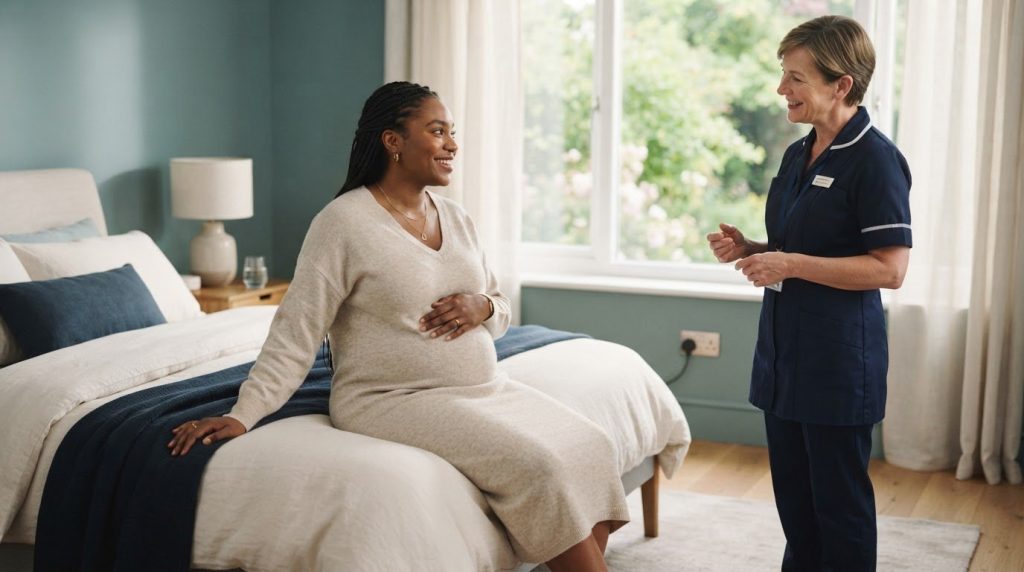
If you’re pregnant, speak with your midwife or GP before using a grounding sheet, especially if your pregnancy is high-risk. The answer to “can you use a grounding sheet while pregnant” depends on your circumstances, and research specifically involving pregnant people is limited.
It’s understandable to want clear guidance before adding something new to your routine. Grounding sheets contain conductive material and are designed to connect the body to earth during rest. However, claims about effects on sleep, pain or other aspects of wellbeing are not established pregnancy benefits.
This guide explains how grounding sheets are intended to work, what research suggests about their proposed effects, and why pregnancy calls for an individual, cautious approach. You’ll also find practical points to discuss with your healthcare provider before considering a conductive sheet.
Key Takeaways
- Ask your midwife or GP about grounding during pregnancy, especially if your pregnancy is high-risk or you take medication.
- Grounding sheets use conductive material to create an electrical connection to earth; this mechanism does not establish that the sheets provide pregnancy-related health benefits.
- Research has explored possible effects on sleep and cortisol rhythms, but these findings should not be taken as proof of hormonal benefits during pregnancy.
- Stop using a grounding sheet and seek healthcare advice if you experience discomfort or unusual symptoms.
- Understand how the product connects to earth: carbon-infused grounding mats rely on sweat for that connection, while grounding sheets use conductive material.
Advice to consult a clinician before use
Discuss using a grounding sheet during pregnancy with your midwife or GP first. This is especially important if your pregnancy is high-risk or a health condition affects your care. Explain that the sheet contains conductive material and connects to earth through an electrical connection. Your maternity team can consider your pregnancy, symptoms and existing care before you add it to your routine.
If you have a pacemaker or take medication, ask your physician before using a grounding product. Bring the product instructions and explain how it connects, rather than relying on general claims about improved sleep, inflammation or blood viscosity. These details help your clinician understand what you’re considering.
For a practical overview of grounding-product precautions, watch this video from Doctor Doan:
Research findings don’t settle the pregnancy question. A 2015 review described potential effects on inflammation markers, sleep and cortisol rhythms, while small grounding studies typically involved 10-30 participants. Reports about blood viscosity or sleep quality aren’t proof of benefit or safety for pregnant people. Research on grounding mats for pregnancy-related back pain is limited, so treat proposed effects as uncertain rather than as a reason to change clinical care.
For sleep or pregnancy discomfort, ask your midwife or GP about pregnancy-appropriate options, such as pillow support or adjustments to your usual routine. They can tailor suggestions to your symptoms and pregnancy care.
If you’re considering a sheet, ask specific questions at your next maternity appointment: how it connects to earth, whether your medical history affects its use, and what symptoms should prompt you to stop. Keep the product clean and dry, avoid damaged conductive material, and follow its instructions. Unplug plug-in grounding products during thunderstorms.
Stop using the product and contact your healthcare provider if you notice discomfort or unusual symptoms. Significant or rapidly worsening swelling during pregnancy needs immediate medical attention. A grounding product is not a substitute for assessment, especially when a new symptom appears or an existing one changes quickly.
Consulting a healthcare provider
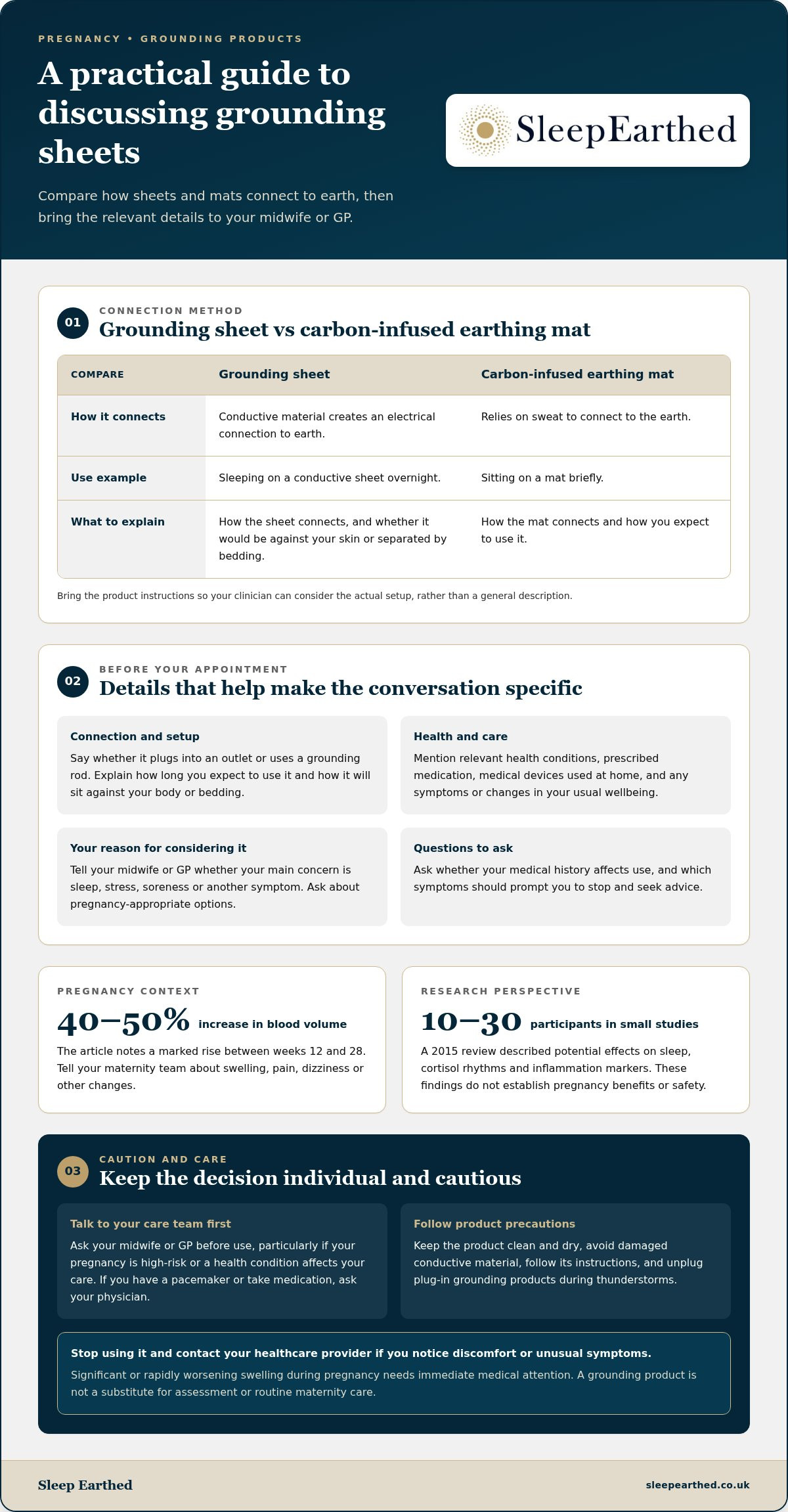
A conversation with your midwife or GP can turn a general safety question into advice suited to your pregnancy. Explain what the sheet is made from, how it connects to earth, and how you plan to use it. For example, sleeping on a conductive sheet overnight differs from sitting on a mat briefly. Bring the instructions so your clinician can consider the actual setup, rather than a general description of grounding.
Your pregnancy stage and current symptoms matter. Blood volume increases by 40-50% during pregnancy, with a marked rise between weeks 12 and 28. Tell your maternity team about swelling, pain, dizziness, or changes in your usual wellbeing. Significant or rapidly worsening swelling warrants immediate medical attention. A grounding product should not delay assessment or replace the care plan already agreed with your clinician.
Make the discussion practical. Before your appointment, note the points that could affect your decision:
- Describe the connection method, including whether the product plugs into an outlet or uses a grounding rod.
- Explain how long you expect to use it and whether it would be against your skin or separated by bedding.
- List relevant health conditions, prescribed medication, and any medical devices used at home.
- Ask which physical symptoms should lead you to stop and seek advice.
These details help your clinician assess the proposed electrical connection alongside your health history. If stress or poor sleep is your main concern, say so directly. Your midwife or GP can discuss pregnancy-appropriate ways to support rest, rather than assuming grounding will improve sleep. If you’re considering barefoot time outdoors instead, mention your balance, mobility and the surface you would use.
Keep claims about healing in perspective. Grounding discussions sometimes refer to blood charge, wound healing or inflammation, but these ideas do not establish a treatment for pregnancy discomfort. Grounding studies do not replace clinical assessment. Describe the outcome you hope for, such as easier rest or less soreness, and ask what signs might mean your current care needs review.
After your conversation, follow the advice for your circumstances and continue routine maternity care. If discomfort or an unusual symptom begins after use, stop using the sheet and contact your healthcare provider. For rapidly worsening swelling, seek immediate medical attention rather than waiting for a routine appointment.
Proposed cortisol and hormonal effects
Grounding, also called earthing, is proposed to influence cortisol, a hormone involved in the body’s daily rhythms. The idea is that direct contact with the earth may help align cortisol with its natural 24-hour circadian rhythm. For a pregnant reader, that claim can sound relevant to rest and stress. It remains a proposed effect, not an established way to manage pregnancy-related hormonal changes.
A 2015 review of small studies described potential effects involving cortisol rhythms, sleep and inflammation markers. These topics are connected, but a change in one measure does not automatically mean better sleep quality or a meaningful health benefit. Pregnancy also brings its own hormonal and physical changes. Findings from general grounding research cannot, by themselves, explain what a grounding sheet would do during pregnancy.
One often-cited example is Ghaly and Teplitz’s study of grounding during sleep. Participants used a grounding sheet for eight weeks, and the paper appeared in the Journal of Alternative and Complementary Medicine, 10(5), pages 767-776. Its duration gives a useful context for the research, but it does not establish that the same effects occur in pregnant people. Study design and participant group matter.
How a sheet is used matters to its proposed mechanism. Grounding products are intended to create an electrical connection to earth, and claims about their effects generally assume the setup is connected properly. A layer of bedding between your skin and the sheet may change direct contact, depending on the product’s design. That practical detail does not demonstrate a hormonal effect; it only describes how the proposed connection is intended to work.
It helps to distinguish a personal observation from evidence of hormonal change. Feeling calmer after a session may be a genuine experience, but it cannot identify cortisol as the cause. Sleep can also be affected by comfort, room conditions, stress and pregnancy symptoms. A diary of sleep and symptoms may help you describe patterns to your midwife, but it cannot measure cortisol or prove that earthing caused a change.
What do the studies suggest? They raise questions for further research, and any effects on sleep or hormones during pregnancy remain uncertain. If you’re considering using a sheet, discuss it with your midwife or GP first, especially if you have pregnancy-related concerns. Continue your existing maternity care and explain the specific effect you hope to address, such as difficulty settling at night.
Grounding sheets and conductive materials
A grounding sheet uses conductive material to connect its surface to earth. Depending on the setup, a cord connects the sheet to a grounded outlet or grounding rod. Simply placing conductive fabric on a bed is not the same: the connection and the home’s electrical grounding both matter. The intended connection alone does not establish a health effect or show that a particular setup is safe.
Some premium grounding sheets have a 100-kilohm resistor in the connection cord. That component is a product feature, not proof that an outlet is properly grounded. A grounding checker can help assess whether a setup is connected as intended. Keep to the product’s instructions, and don’t use a damaged cord or frayed conductive surface. If you’re unsure about the outlet’s grounding, have the electrical setup assessed by a qualified electrician.
Materials also affect how products make contact. Conductive threads woven into a sheet are intended to create a conductive surface across the fabric. By comparison, carbon-infused earthing mats may make contact with earth differently from conductive-thread sheets. Methods vary by product, so don’t assume a mat and a sheet work identically. Check the manufacturer’s instructions for the specified connection and how bedding layers may affect contact.
Some grounding-product manufacturers recommend keeping one layer between the body and the mat to maximise conductivity. That guidance applies to specific products, not every sheet or pregnancy. For example, a fitted sheet covered by another layer may not match instructions written for direct skin contact. Follow the directions for the exact product, and discuss planned use with your midwife or GP.
Keep the conductive surface clean and dry, and don’t use a visibly worn product. Unplug plug-in grounding products during thunderstorms. These practical precautions matter regardless of claims about inflammation, sleep or blood viscosity. A grounding connection is not a treatment for pregnancy symptoms, and conductive material does not replace maternity care if a new concern arises.
Before use, identify how the sheet connects, inspect the cord and surface, and follow the setup instructions. Don’t improvise a connection between a sheet and an outlet or grounding rod. If the instructions don’t match your home setup, pause and seek advice before use. Following the setup instructions explains how the product is intended to connect; it does not demonstrate that grounding improves pregnancy outcomes.
Should pregnant people ask their midwife or GP before using a grounding sheet?
Yes. Discuss a grounding sheet with your midwife or GP before using it, particularly if your pregnancy is high-risk. A brief conversation lets them consider your pregnancy, symptoms and care plan alongside the product’s intended electrical connection. This is more useful than relying on general advice because relevant factors include your health history and what you hope the sheet will help with.
Make the conversation specific. Explain whether you plan to sleep on the sheet or use it for shorter periods, and describe how it connects to earth. Bring the product instructions so your clinician can review the setup and precautions. If you take medication or have a pacemaker, mention this clearly. These details help your healthcare provider consider the product in context.
Describe your main concern, too. For example, say whether you’re seeking support with sleep, back discomfort or stress. Your midwife or GP can distinguish a general comfort question from a symptom that needs assessment. Grounding research does not establish a treatment for pregnancy symptoms, so don’t use a sheet instead of maternity care or delay discussing a new health concern.
Before the appointment, write down your questions and current symptoms. You might ask:
- Does my pregnancy history or current care affect whether I should try this?
- Could my medication, medical devices or other health conditions be relevant?
- Which symptoms mean I should stop using it and seek advice?
- What pregnancy-appropriate options could support sleep or ease my discomfort?
Be precise about changes you’ve noticed. If swelling is significant or rapidly worsening, seek immediate medical attention rather than waiting for a routine appointment. If discomfort or unusual symptoms occur after using a grounding sheet, stop and consult your healthcare provider. Clear examples help your maternity team understand what changed and when.
Your clinician’s advice should reflect your circumstances, not a general claim about grounding. If they recommend avoiding the sheet, ask which concern informs their advice and what alternatives suit your symptoms. If they don’t identify a reason to avoid it, follow the product instructions and continue routine maternity care. Any decision should account for your pregnancy, health history and the way the product connects.
Once you’ve had that discussion, you can explore grounding sheets for sleep with a clearer understanding of the product and the questions that matter to your care.
Sleep Earthed: UK Sized Fitted Earthing Bed Sheets
Sleep Earthed offers UK Sized Fitted Earthing Bed Sheets for people exploring earthing for their bed. If your midwife or GP has discussed your plans and you want to understand the product format, a fitted sheet is designed to sit on the mattress like a regular fitted sheet. Earthing Pillow Cases and an Earthing Half Sheet suit different bedding arrangements.
These products are not medical treatments, and claims about pregnancy benefits should be considered separately from their design. Follow the product instructions for setup and continue your usual maternity care. If you’re unsure whether a grounding sheet suits your circumstances, discuss it with your healthcare provider before use.
To explore Sleep Earthed’s bedding options, visit sleepearthed.co.uk.
Take your next step with confidence
If you’re still weighing whether you can use a grounding sheet while pregnant, let your midwife or GP’s advice guide your decision. Your next step can be practical: note what you hope to improve, such as feeling more comfortable at bedtime, and discuss options that fit your maternity care. If you decide to explore bedding, Sleep Earthed offers UK Sized Fitted Earthing Bed Sheets, Earthing Pillow Cases and an Earthing Half Sheet.
Grounding products are a personal choice, not a replacement for pregnancy care. If your healthcare provider advises against use, prioritise that guidance. If you’re ready to explore Sleep Earthed’s range or have questions about its bedding, contact Sleep Earthed.
Take things at a pace that feels right for you, keeping your wellbeing at the centre of each decision.
Frequently Asked Questions
Is Grounding Safe During Pregnancy?
There isn’t one safety answer for every pregnancy, so discuss use with your midwife or GP first. This is especially important if your pregnancy is high-risk, you take medication or you have a pacemaker. Explain whether you’re considering an overnight sheet or occasional use. Your clinician can consider your health history and current care rather than relying on broad claims about grounding.
Are there any potential risks of grounding?
Possible concerns include a damaged cord, a damp or worn conductive surface, or a connection that isn’t set up as instructed. Inspect the product and follow its instructions before use; unplug plug-in products during thunderstorms. Pregnancy symptoms also need proper attention: stop using the product if you feel discomfort or unusual symptoms. Significant or rapidly worsening swelling needs immediate medical attention, not a trial of grounding.
How Does It Work?
A grounding sheet uses conductive material and a connection intended to link the user with earth. Depending on the product, a cord connects it to an outlet’s earth connection or a grounding rod. The sheet is not a treatment, and a connection alone does not demonstrate a health effect. Check the instructions for the specific product, as materials and connection methods can differ.
What does the evidence say?
Grounding research has examined outcomes such as sleep, cortisol rhythms and inflammation, but small studies do not establish that every user will experience those effects. A paper by Chevalier and colleagues examined grounding and blood viscosity in the Journal of Alternative and Complementary Medicine, 19(2), pages 102-110. That subject is distinct from proving a pregnancy benefit, so don’t treat it as evidence of one.
Is it safe to use a grounding sheet while pregnant?
Whether you can use a grounding sheet while pregnant depends on your health circumstances and the product setup. Ask your midwife or GP before trying it, and describe any medical conditions, medication or pregnancy concerns. If they advise you to avoid it, follow that guidance. If new discomfort or unusual symptoms occur during use, stop and contact your healthcare provider rather than continuing to see whether they pass.
Is there scientific evidence that grounding sheets benefit pregnancy?
Research on grounding mats for pregnant women experiencing back pain is limited, and grounding studies generally don’t establish pregnancy-specific benefits. A finding about sleep or another outcome in a different group cannot show that a sheet improves pregnancy or is suitable for every expectant parent. If back pain or sleep disruption is affecting you, ask your maternity team about options suited to your pregnancy.
Can grounding sheets cause electric shock or other risks during pregnancy?
Electrical risk depends on the product and its connection, so don’t assume every sheet has the same design or safeguards. Avoid damaged cords, keep the product clean and dry, and follow the manufacturer’s setup instructions. Don’t improvise a connection to an outlet. If you have concerns about your home’s electrical grounding, pause use and seek advice about the setup before connecting a product.
Are grounding sheets safe to use in bed throughout pregnancy?
Don’t assume overnight use is suitable throughout every stage of pregnancy. Your symptoms, medical advice and care needs can change, so raise continued use during maternity appointments, especially if your circumstances change. Continue routine antenatal care and don’t use a sheet to manage a new symptom. If it causes discomfort or unusual symptoms, stop using it and consult your healthcare provider.